

This short course is for Indian students and career‑switchers who want a job‑ready backend skill without a university syllabus. You’ll learn the core concepts of Laravel, the most popular PHP framework, and apply them to a real‑world blog application.
By the end of the course you will have a working blog with user authentication, CRUD posts, and basic styling. You’ll also understand MVC, routing, migrations, and how to deploy a Laravel app on a cloud server.
After completing the course you’ll be able to join junior Laravel developer roles, contribute to existing projects, or start building your own web applications with confidence.
 Course Introduction & Environment Setup
Codes Easy · 10 min
2
Course Introduction & Environment Setup
Codes Easy · 10 min
2
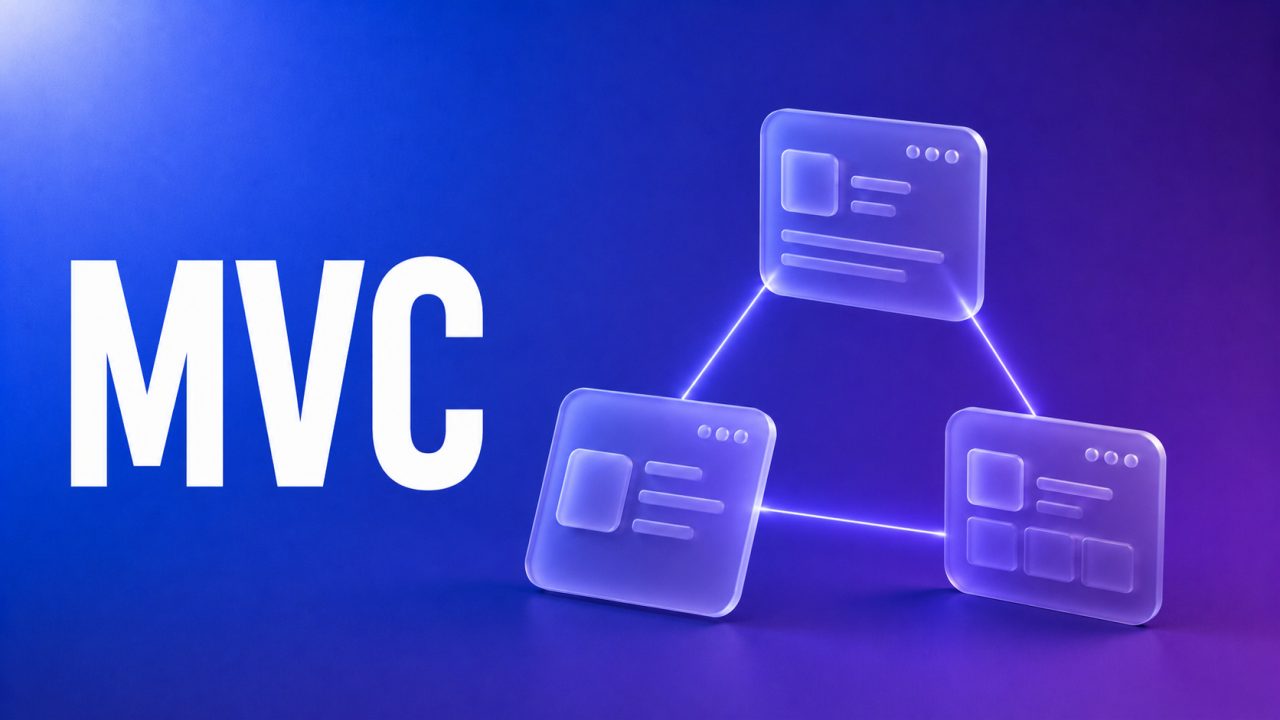 Understanding MVC and Routing
YAHUBABA · 32 min
3
Understanding MVC and Routing
YAHUBABA · 32 min
3
 Blade Templating and Layouts
YAHUBABA · 30 min
4
Blade Templating and Layouts
YAHUBABA · 30 min
4
 Database Migrations & Eloquent Basics
Laracasts · 17 min
5
Database Migrations & Eloquent Basics
Laracasts · 17 min
5
 User Authentication with Laravel Breeze
Laravel · 28 min
6
User Authentication with Laravel Breeze
Laravel · 28 min
6
 Creating the Post Model, Migration, and Controller
Dani Krossing · 12 min
7
Creating the Post Model, Migration, and Controller
Dani Krossing · 12 min
7
 Building CRUD Views for Blog Posts
Devtamin · 50 min
8
Building CRUD Views for Blog Posts
Devtamin · 50 min
8
 Project Hands‑On: Add Comment Feature (Project 1)
Ajay yadav · 22 min
9
Project Hands‑On: Add Comment Feature (Project 1)
Ajay yadav · 22 min
9
 Deploying to a Free Cloud Host (Project 2)
Abhishek.Veeramalla · 21 min
Deploying to a Free Cloud Host (Project 2)
Abhishek.Veeramalla · 21 min
Build a small blog with Laravel using what this course covered.
What it must do
What to submit A link to a public GitHub repository. Nothing else.
Your repository is read the moment you submit. Unlimited attempts — a fail comes back as a list of what to fix.